









Beskytter flade skiver overflader mod bolt- og møtrikskader?
I næsten alle boltede samlinger er fastgørelseskraften, der genereres af bolte og møtrikker, koncentreret på et relativt lille kontaktområde. Uden korrekt belastningsfordeling kan for højt lokaliseret tryk forårsage overfladeindskæring, belægningsskader, deformation eller for tidligt slid. Det er her flade skiver blive en uundværlig komponent. Selvom de er enkle i udseende, forbedrer de ydelsen og pålideligheden af mekaniske fastgørelsessystemer markant.
Hvad er en flad vaskemaskine?
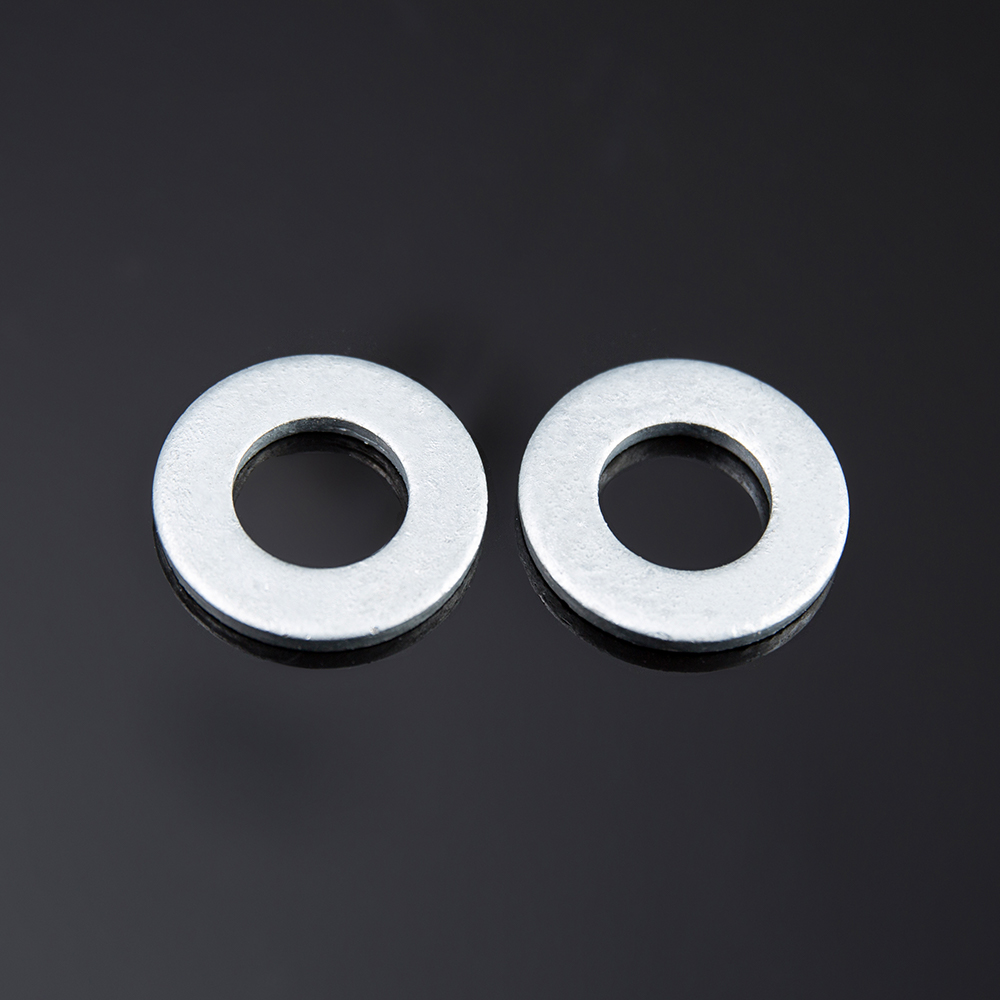
En flad spændeskive er en flad, cirkulær mekanisk komponent placeret mellem hovedet på en bolt eller forsiden af en møtrik og overfladen af det samlede materiale. Dens primære formål er at fordele trykkraften over et større kontaktområde i stedet for at lade hele lasten koncentrere sig om et enkelt punkt.
Sammenlignet med direkte metal-til-metal-kontakt minimerer installation af flade skiver lokal belastning, hvilket hjælper med at bevare integriteten af strukturelle materialer, samtidig med at fastgørelsesstabiliteten forbedres.
Fælles produktkategorier omfatter:
- Flade skiver til almindelige fastgørelsesanvendelser
- Almindelige skiver til standard belastningsfordeling
- Tynde flade skiver til installationer med begrænset montageplads
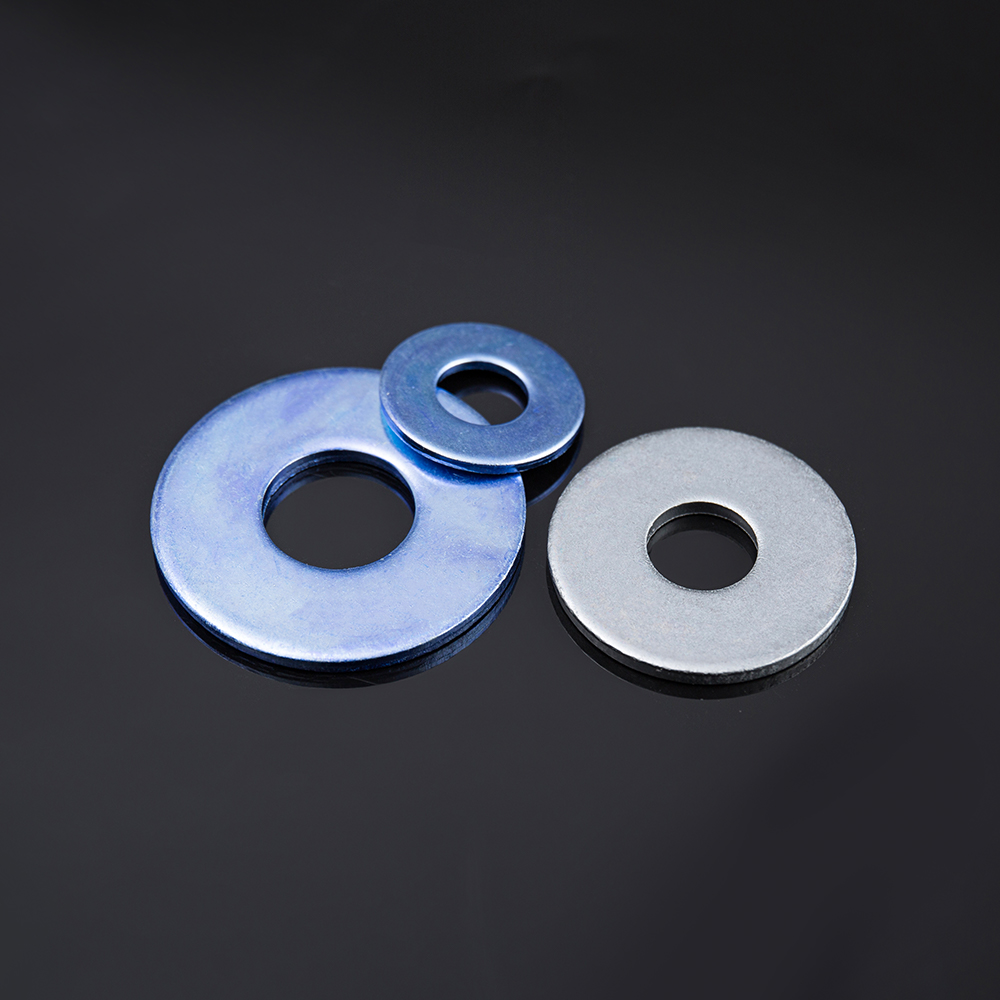
- Fender skiver med en stor udvendig diameter til bløde eller overdimensionerede huller
- Flade skiver i rustfrit stål til korrosionsbestandige miljøer
- Metriske flade skiver til internationale fastgørelsesstandarder
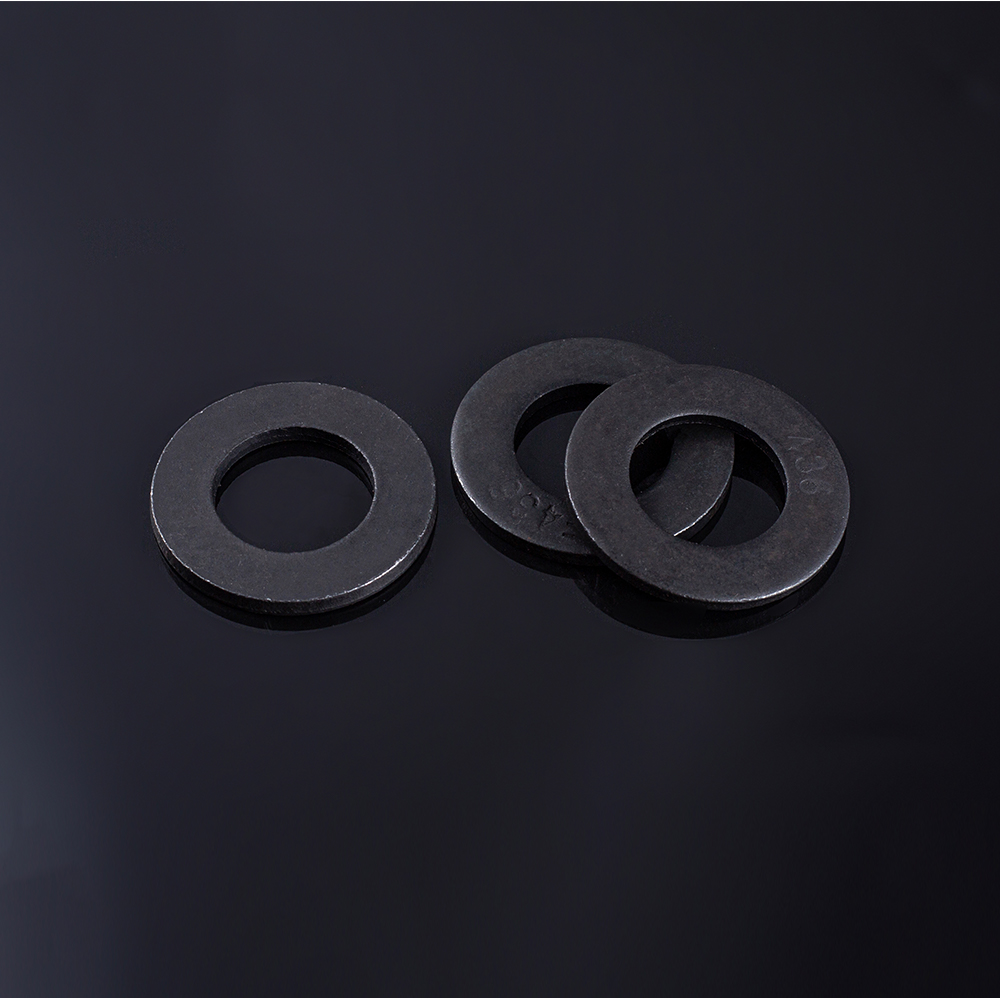
- Kraftige flade skiver til industrielt udstyr med høj belastning
Hvordan beskytter flade skiver kontaktflader?
Den beskyttende funktion af flade skiver rækker ud over blot at udfylde et hul. Deres mekaniske rolle har direkte indflydelse på holdbarheden af både fastgørelseselementer og samlede komponenter.
1. Fordeling af klemmebelastningen jævnt
Uden en skive koncentrerer undersiden af et bolthoved eller en møtrik trykket på et smalt cirkulært område.
En flad skive forstørrer lejefladen, reducerer kontaktspændingen og minimerer risikoen for:
- Overfladeindrykning
- Materialeeknusning
- Permanent deformation
- Malings- eller belægningsskader
Dette er især vigtigt ved fastgørelse af blødere materialer såsom aluminium, plast, kompositter eller tynde metalplader.
2. Forebyggelse af ridser i overfladen
Under tilspænding roterer bolte og møtrikker mod den modsvarende overflade.
En almindelig skive fungerer som et offerkontaktlag, der reducerer friktionen mellem roterende fastgørelseselementer og færdige overflader. Dette hjælper med at bevare:
- Pulverlakerede komponenter
- Malet stål
- Galvaniserede overflader
- Dekorative paneler i rustfrit stål
- Præcisionsbearbejdede dele
Som et resultat forbliver udseende og dimensionsnøjagtighed intakt efter installationen.
3. Beskyttelse af bløde materialer
Materialer som plast, træ, glasfiber og aluminium kan deformeres, når de udsættes for koncentrerede fastgørelsesbelastninger.
Fenderskiver med deres større ydre diameter fordeler kraften over et meget bredere område, hvilket reducerer sandsynligheden for revner, rivning eller gennemtræk markant.
4. Forbedring af langsigtet ledstabilitet
Gentagen belastning og vibration kan gradvist reducere boltens forspænding.
Korrekt udvalgte flade skiver hjælper med at opretholde ensartet lejetryk og reducerer ujævne spændingskoncentrationer, der ellers kan fremskynde slid omkring bolthuller.
Sammenligning af almindelige flade skivetyper
| Skivetype | Hovedfunktion | Typiske applikationer | Vigtige fordele |
|---|---|---|---|
| Flade skiver | Generel lastfordeling | Maskiner, byggeri, industrielt udstyr | Balanceret præstation |
| Almindelige skiver | Overfladebeskyttelse og kraftfordeling | Standard boltesamlinger | Økonomisk og alsidig |
| Tynde flade skiver | Begrænset installationsplads | Præcisionsinstrumenter, elektronik | Pladsbesparende design |
| Fender skiver | Stort lejeareal | Tynd metalplade, plast, træ | Fremragende gennemtræksmodstand |
| Flade skiver i rustfrit stål | Korrosionsbeskyttelse | Marine, udendørs, fødevareudstyr | Lang levetid |
Materialevalg har betydning
At vælge det passende skivemateriale er lige så vigtigt for at beskytte samlede overflader.
| Material | Karakteristika | Egnede applikationer |
|---|---|---|
| Rustfrit stål | Fremragende korrosionsbestandighed | Marineudstyr, fødevareforarbejdning, udendørs installationer |
| Kulstofstål | Høj styrke og omkostningseffektivitet | Byggeri, maskiner, generel industri |
| Legeret stål | Højere mekanisk styrke | Kraftig industrielt udstyr |
| Aluminiumslegering | Let og korrosionsbestandig | Luftfart, transport, letvægtsenheder |
| Kobber | Elektrisk ledningsevne og korrosionsbestandighed | Elektrisk udstyr og specielle industrielle applikationer |
Matchende skivemateriale med bolt, møtrik og basismateriale hjælper med at reducere galvanisk korrosion og samtidig sikre ensartet mekanisk ydeevne.
Hvorfor skivetykkelse påvirker overfladebeskyttelse
Skivetykkelsen påvirker direkte bæreevnen og deformationsmodstanden.
Tynde flade skiver vælges almindeligvis, når:
- Samlingspladsen er begrænset
- Lavprofilbefæstelser er påkrævet
- Moderat spændekraft er tilstrækkeligt
- Præcisionsjustering skal opretholdes
Til tunge strukturelle applikationer giver tykkere skiver større stivhed og modstår permanent deformation under højere tilspændingsbelastninger.
Korrekt tykkelsesvalg sikrer både overfladebeskyttelse og pålidelig belastningsoverførsel.
Hvor er flade skiver almindeligt anvendt?
De flade skivers alsidighed giver dem mulighed for at understøtte adskillige industrisektorer.
| Industri | Typisk formål |
|---|---|
| Byggeri | Beskyt stålkonstruktioner og fordel strukturelle belastninger |
| Automotive | Undgå beskadigelse af karrosseripaneler og chassiskomponenter |
| Industrielle maskiner | Oprethold pålidelige boltede forbindelser under vibrationer |
| Vedvarende energi | Sikre solcellemonteringssystemer og vindudstyr |
| Elektrisk udstyr | Beskyt monteringsflader på kabinetter og kontrolpaneler |
| Landbrugsudstyr | Forbedre holdbarheden i udendørs driftsmiljøer |
Uanset om de bruges i tungt udstyr eller præcisionssamlinger, bidrager skiver til længere levetid og reduceret vedligeholdelse.
Faktorer at overveje, når du vælger flade skiver
At vælge den rigtige vaskemaskine kræver evaluering af flere tekniske overvejelser.
Vigtige faktorer omfatter:
- Boltdiameter kompatibilitet
- Krav til ydre diameter
- Materiale styrke
- Korrosionsbestandighed
- Driftstemperatur
- Overfladehårdhed af samlede materialer
- Påkrævet forudindlæsning
- Miljøforhold
Anvendelser, der involverer overdimensionerede huller eller blødere materialer, har ofte gavn af fenderskiver, mens kompakte samlinger typisk kræver tynde flade skiver.
Korrekt valg af skive forbedrer installationens ensartethed og den generelle fastgørelsessikkerhed.
Fremstillingskvalitet påvirker ydeevnen
Effektiviteten af en flad vaskemaskine afhænger ikke kun af dens design, men også af fremstillingspræcision.
Højkvalitetsskiver har typisk:
- Nøjagtige dimensionstolerancer
- Glatte lejeflader
- Konsekvent hårdhed
- Ensartet tykkelse
- Pålidelig materialesporbarhed
- Gratfri kanter
Disse egenskaber sikrer en jævn belastningsfordeling og reducerer muligheden for spændingskoncentration under montering.
Præcisionsfremstilling til pålidelige fastgørelsesløsninger
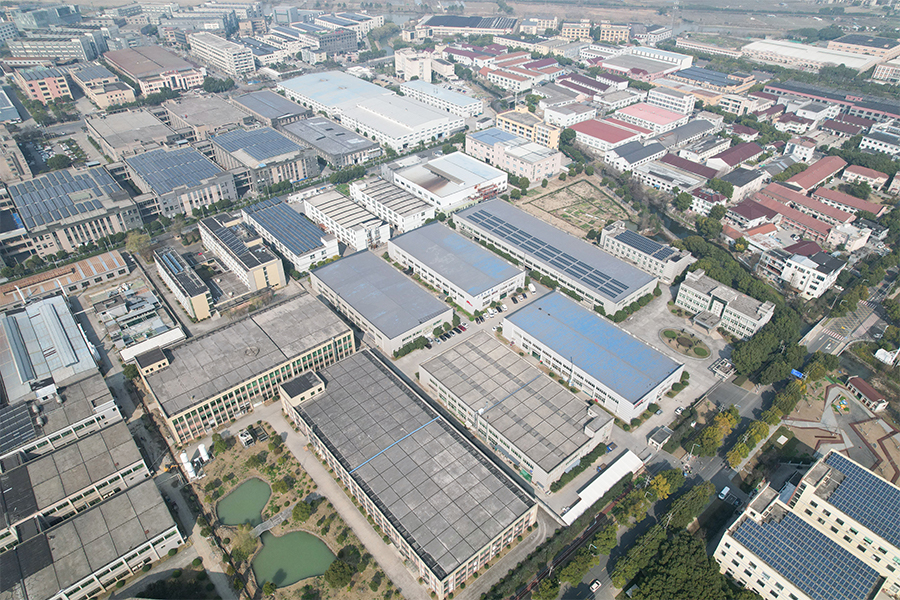
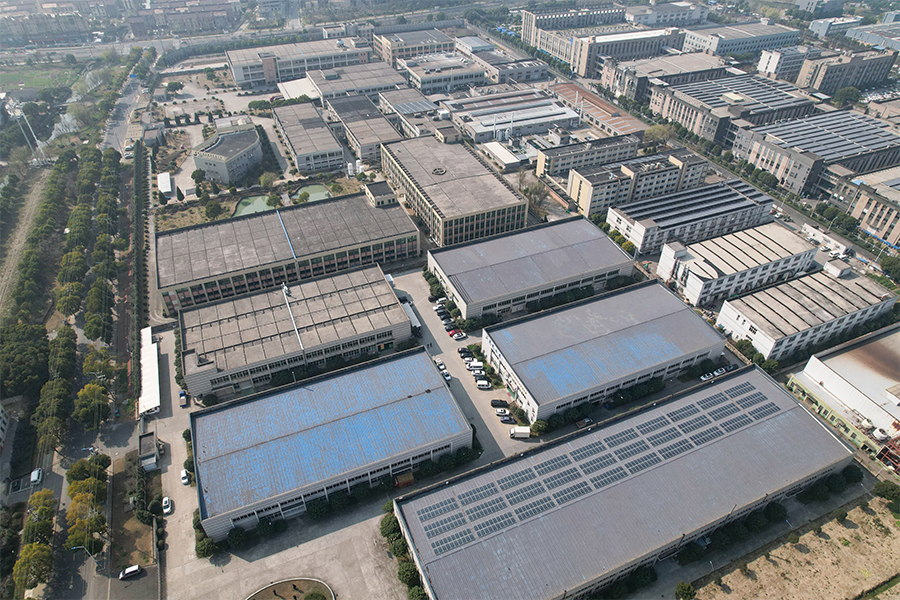
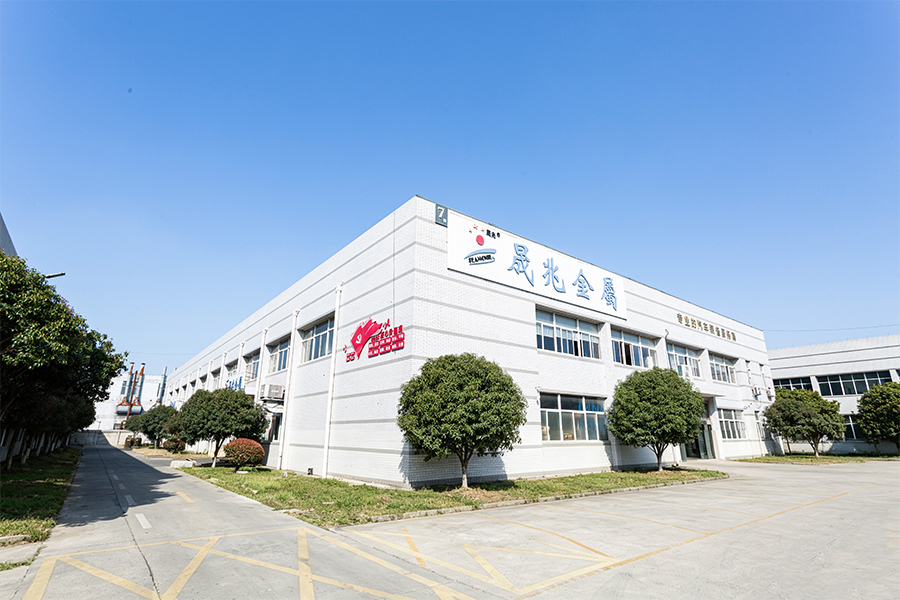
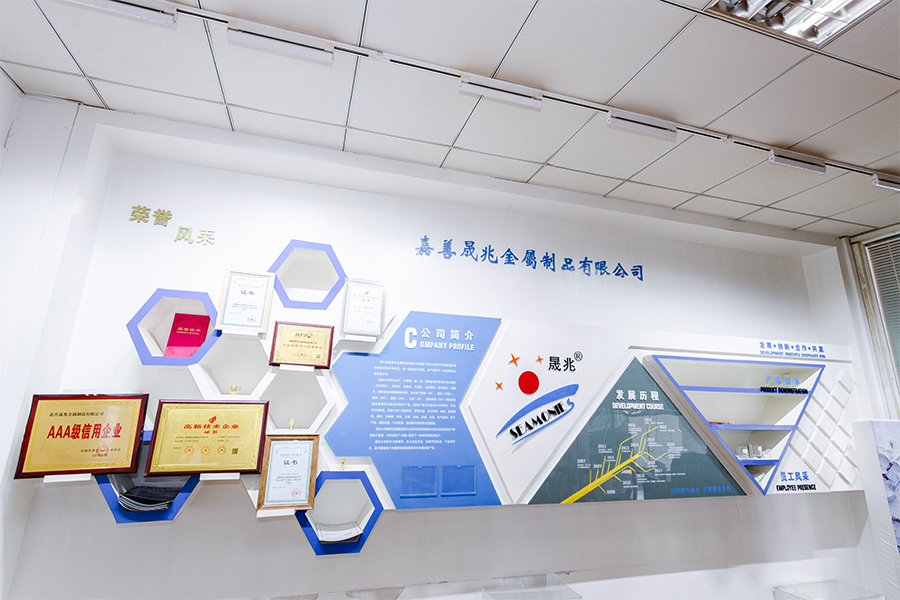
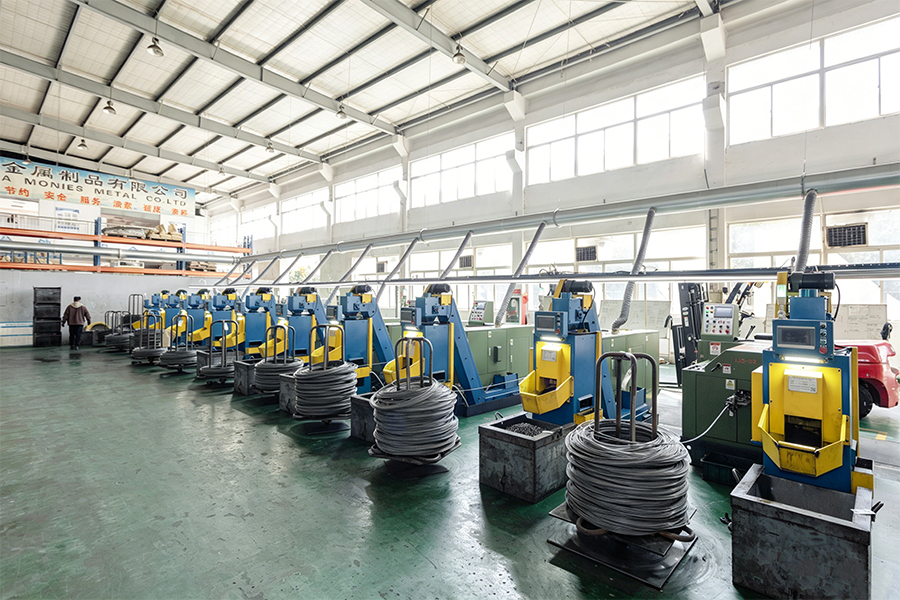
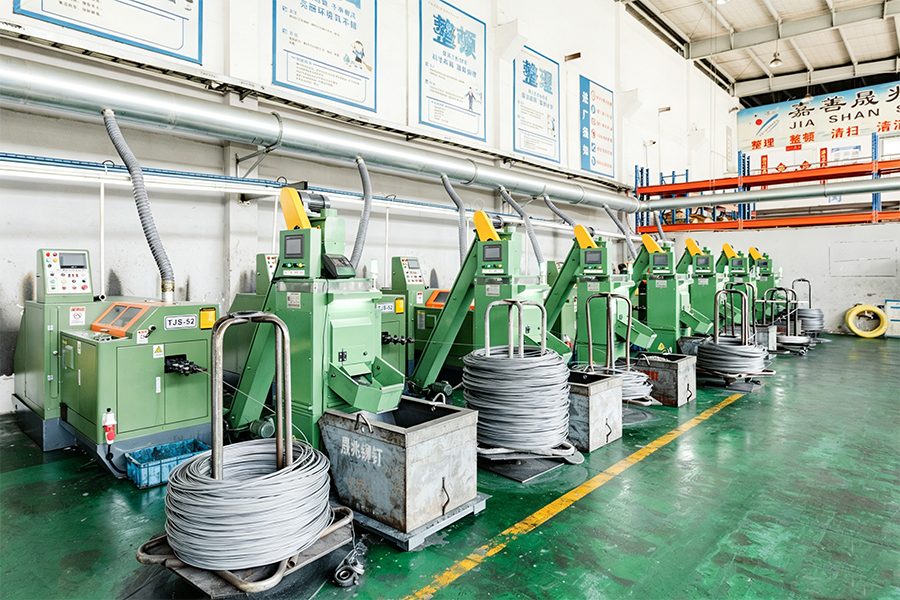
Zhejiang Chance & Union Import and Export Co., Ltd. er en familieejet virksomhed under SEA Monies Metal Co., Ltd., der arver over 20 års familieerfaring og kvalitetsarv inden for metalfremstilling. Understøttet af Shengzhao Metals avancerede produktionskapacitet og integrerede forsyningskæde, fokuserer virksomheden på forskning, udvikling, produktion og globale levering af metalfastgørelsesprodukter af høj kvalitet.
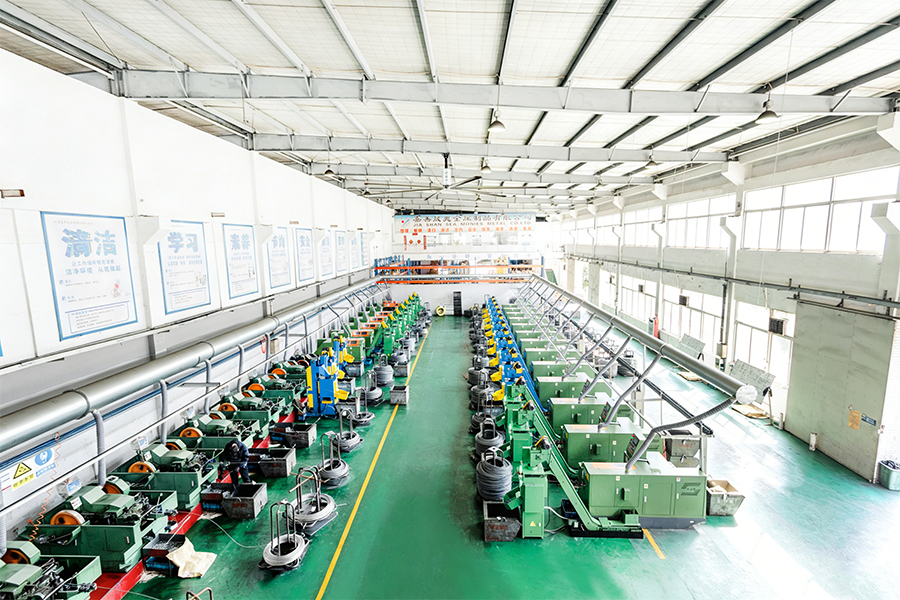
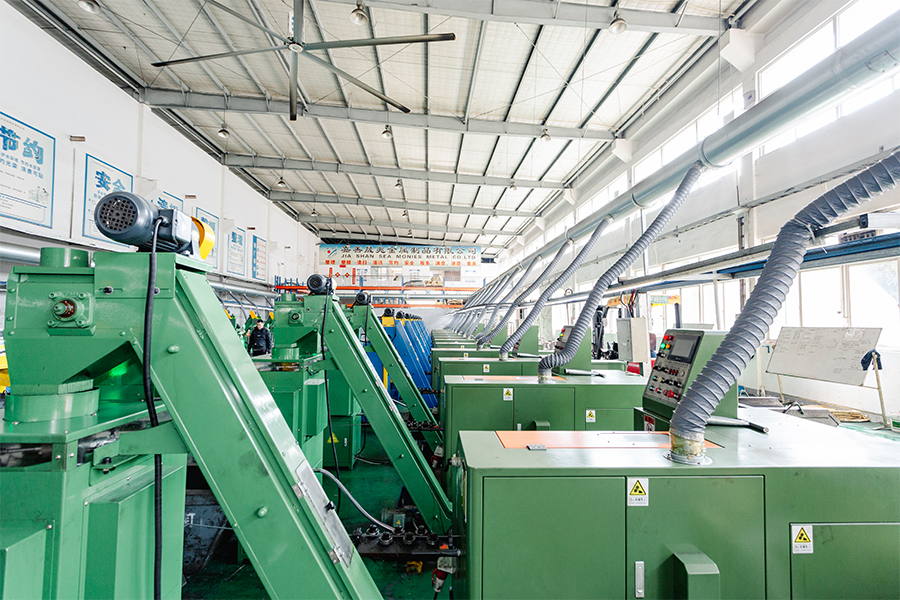
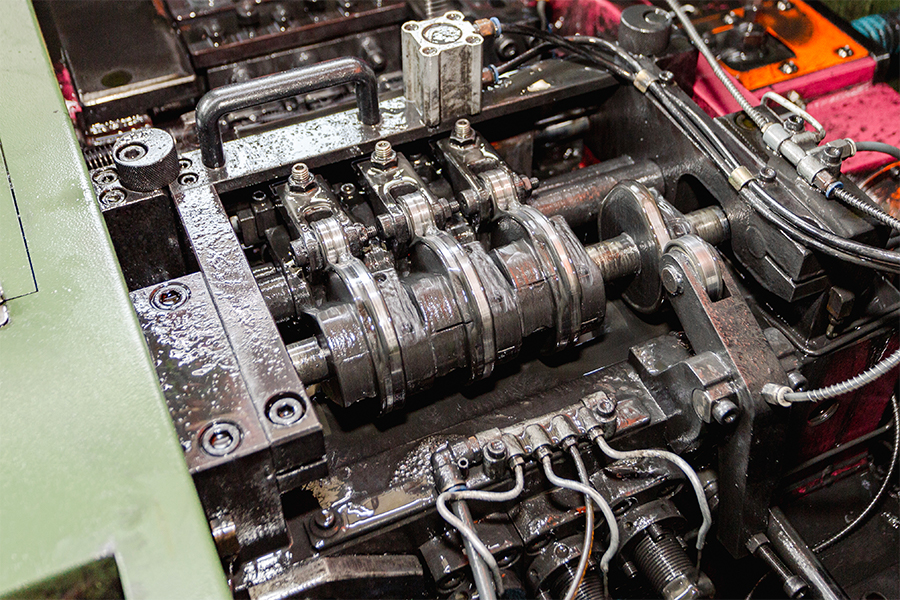
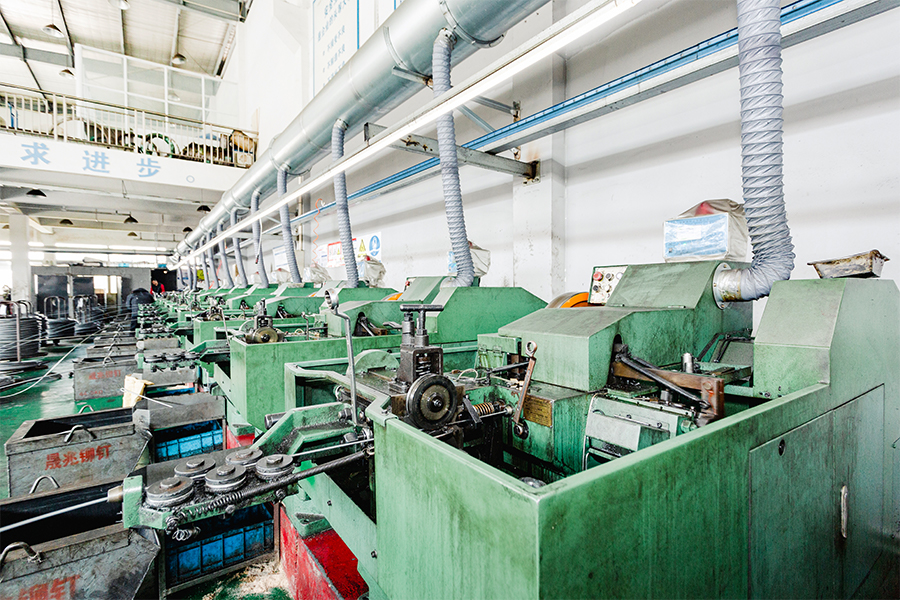
Ved at udnytte stærke tekniske kapaciteter fremstiller virksomheden højstyrke nitter, bolte, møtrikker, flade spændeskiver, stifter, skruer og en bred vifte af ikke-standard tilpassede komponenter. Fremstillingsprocesser omfatter kold smedning, varmsmedning og CNC-bearbejdning, mens tilgængelige materialer omfatter rustfrit stål, legeret stål, aluminiumslegering, kobber og forskellige speciallegeringer for at opfylde forskellige industrielle krav.
Med konstant opmærksomhed på præcisionsfremstilling, streng kvalitetsstyring og langsigtet produktpålidelighed leverer virksomheden fastgørelsesløsninger, der er egnede til byggeri, maskiner, transport, industrielt udstyr og mange andre tekniske applikationer verden over.
Konklusion
Selvom de ofte betragtes som en af de enkleste fastgørelseskomponenter, udfører flade skiver flere kritiske funktioner til at beskytte overflader mod bolt- og møtrikskader. Ved at fordele spændekraften, reducere friktionen, forhindre lokal deformation og understøtte langsigtet ledstabilitet forbedrer de både samlingskvaliteten og udstyrets holdbarhed.
Uanset om du vælger almindelige skiver til standardfastgørelse, tynde flade skiver til kompakte samlinger eller fenderskiver til bredere belastningsfordeling, er valg af den rigtige skivetype, materiale og dimensioner afgørende for at opnå pålidelig mekanisk ydeevne på tværs af en bred vifte af industrielle applikationer.
FAQ
1. Forhindrer flade spændeskiver faktisk skade på bolte og møtrikker?
Ja. Flade skiver fordeler strammekraften over et større område, hvilket reducerer koncentreret spænding, der kan beskadige både fastgørelseselementet og kontaktfladen.
2. Hvornår skal der bruges fenderskiver i stedet for standard fladskiver?
Fenderskiver anbefales til overdimensionerede huller, tynde pladematerialer, plast, træ eller andre bløde materialer, der kræver en større lejeflade.
3. Er flade skiver i rustfrit stål bedre end skiver af kulstofstål?
Flade skiver i rustfrit stål giver overlegen korrosionsbestandighed, mens skiver af kulstofstål generelt giver højere styrke og omkostningseffektivitet til mange indendørs industrielle applikationer.
4. Kan tynde flade skiver klare store belastninger?
Tynde flade skiver er primært designet til applikationer med begrænset installationsplads og moderat belastning. Kraftige enheder kræver typisk tykkere skiver med større bæreevne.
5. Hvordan vælger jeg den korrekte fladvasker?
Udvælgelsen bør tage højde for boltstørrelse, skivedimensioner, materialekompatibilitet, belastningskrav, miljøforhold, korrosionsbestandighed og de samlede materialers egenskaber.





