








Hvad gør pladeskruer anderledes end standardskruer?
I moderne fremstilling, konstruktion, montering af biler og udstyrsproduktion påvirker valget af den korrekte fastgørelse direkte strukturel stabilitet, installationseffektivitet og langsigtet pålidelighed. Blandt forskellige fastgørelsesløsninger, pladeskruer er specielt designet til sammenføjning af tynde metalplader og andre materialer, hvor tråddannelse, holdestyrke og modstandsdygtighed over for vibrationer er kritiske. Sammenlignet med standardskruer har metalpladeskruer unikke gevinddesign, skarpere spidser og selvdannende egenskaber, hvilket gør dem velegnede til applikationer, der kræver sikker fastgørelse uden forgevindede huller.
Hvad er metalpladeskruer?
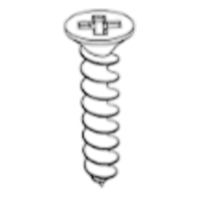
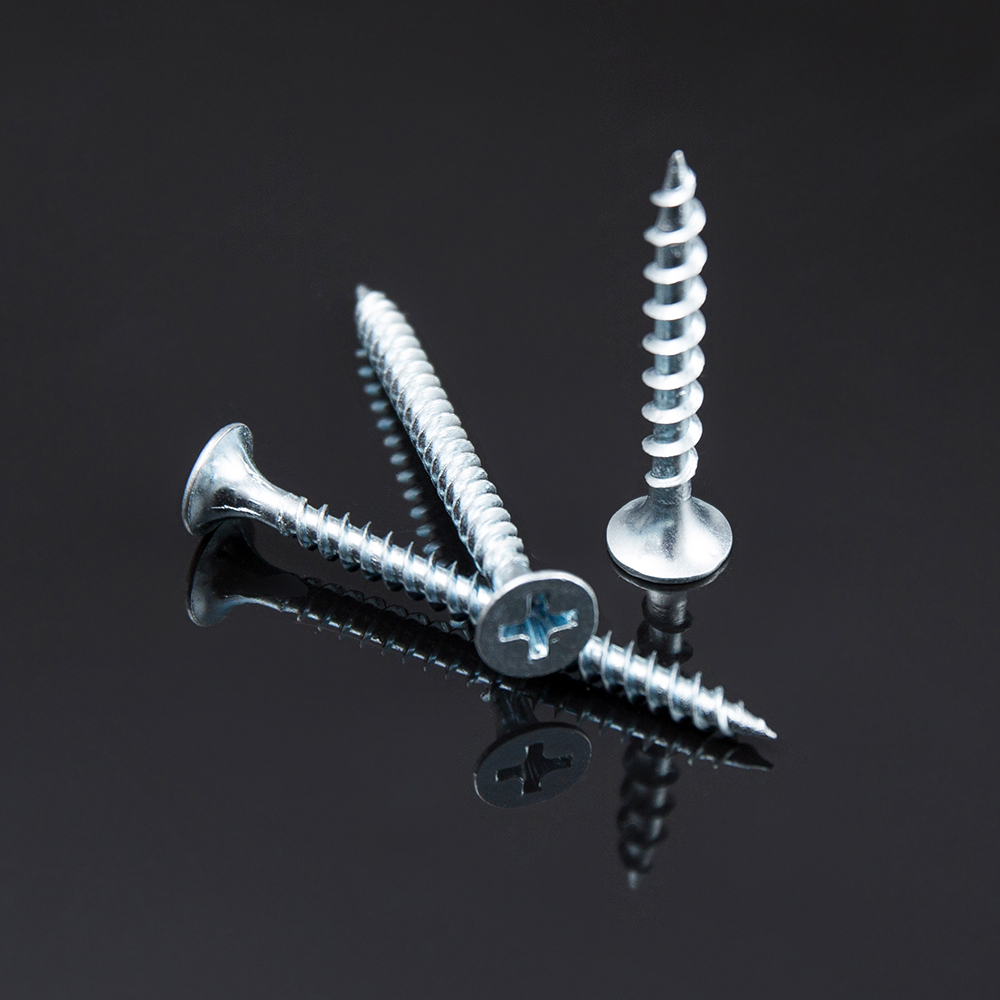
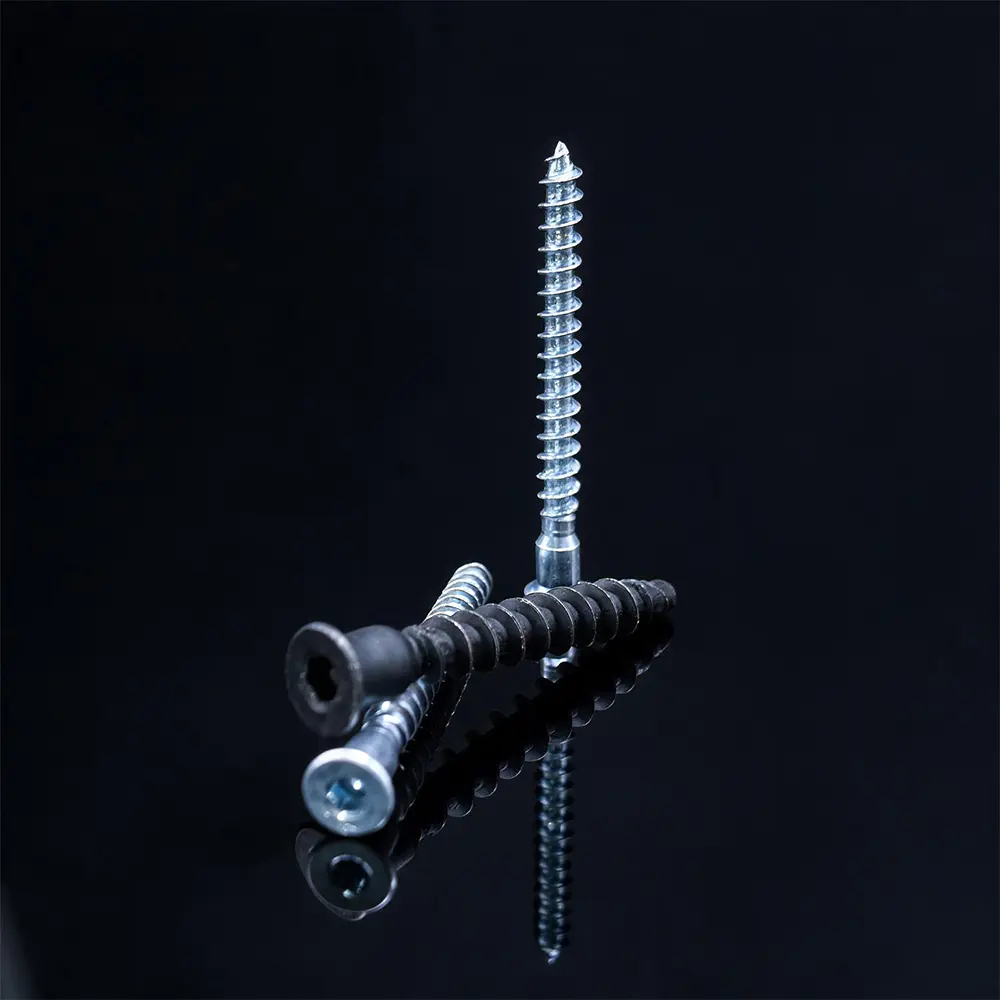
Metalpladeskruer er specialiserede fastgørelseselementer designet til at skabe deres egne gevind, når de drives ind i materialer som metalplader, plastik, glasfiber og nogle kompositmaterialer. I modsætning til konventionelle skruer, der ofte kræver et matchende gevindhul eller møtrik, bruger metalpladeskruer skarpe gevind til at skære eller danne en sikker forbindelse under installationen.
Disse skruer er almindeligvis fremstillet af rustfrit stål, kulstofstål, legeret stål eller andre korrosionsbestandige materialer. Deres design fokuserer på stærk grebskraft, pålidelig installation og modstandsdygtighed over for løsning forårsaget af vibrationer eller gentagen mekanisk belastning.
De vigtigste egenskaber ved metalpladeskruer inkluderer:
| Feature | Funktion | Fordel |
|---|---|---|
| Skarp gevindprofil | Danner tråde direkte ind i materialet | Reducerer installationstrin |
| Hærdet skruekrop | Forbedrer gennemtrængningsevnen | Understøtter stærkere fastgørelse |
| Forskellige hoveddesigns | Tilpasser sig forskellige værktøjer og overflader | Giver fleksibel installation |
| Korrosionsbestandige materialer | Beskytter mod miljøpåvirkning | Forlænger levetiden |
Nøgleforskelle mellem metalpladeskruer og standardskruer
Den primære forskel mellem metalpladeskruer og standardskruer er deres evne til at skabe pålidelige gevind i tynde eller ikke-gevindede materialer. Standardskruer er generelt designet til applikationer, hvor et allerede eksisterende gevind, møtrik eller ankersystem er tilgængeligt. I modsætning hertil er metalpladeskruer konstrueret til direkte fastgørelse.
| Sammenligning | Metalpladeskruer | Standard skruer |
|---|---|---|
| Tråd design | Aggressive tråde til materialeengagement | Generel trådstruktur |
| Installationsmetode | Opretter eller danner sin egen tråd | Kræver normalt eksisterende tråde eller forberedelse |
| Typiske materialer | Metalplader, plast, kompositter | Træ, gevindhuller, generalforsamling |
| Hovedfordel | Hurtig installation og stærk holdekraft | Alsidige fastgørelsesapplikationer |
| Fælles miljøer | Biler, maskiner, metalfremstilling | Møbler, byggeri, generel vedligeholdelse |
Den selvskærende funktion gør det muligt for metalpladeskruer at reducere behovet for yderligere komponenter, hvilket forbedrer produktionseffektiviteten i industrielle samlebånd.
Hvorfor er selvskærende funktioner vigtige?
Selvskærende evne er en af de vigtigste fordele ved moderne fastgørelsesteknologi. En selvskærende skrue skaber en matchende gevindbane, mens den installeres, hvilket gør det muligt at opnå en tæt forbindelse mellem komponenterne.
For eksempel er selvskærende skruer til biler meget udbredt i køretøjsfremstilling, fordi bilkomponenter ofte oplever kontinuerlige vibrationer, temperaturændringer og mekanisk belastning. Disse skruer kræver høj styrke, nøjagtige dimensioner og fremragende modstandsdygtighed mod at løsne.
Sammenlignet med almindelige fastgørelseselementer giver selvskærende skruer:
- Hurtigere montering uden yderligere gevindskæringsprocesser
- Forbedret positioneringsnøjagtighed under installation
- Reduceret risiko for komponentbevægelse
- Bedre tilpasningsevne til tynde metalstrukturer
I bilapplikationer hjælper det korrekte valg af selvskærende skruer med at opretholde stabiliteten af indvendige paneler, elektriske komponenter, beslag og kropsrelaterede dele.
Metalpladeskruer vs selvskærende skruer til træ
Selvom både pladeskruer og selvskærende skruer til træ har selvdannende egenskaber, er deres design optimeret til forskellige materialestrukturer.
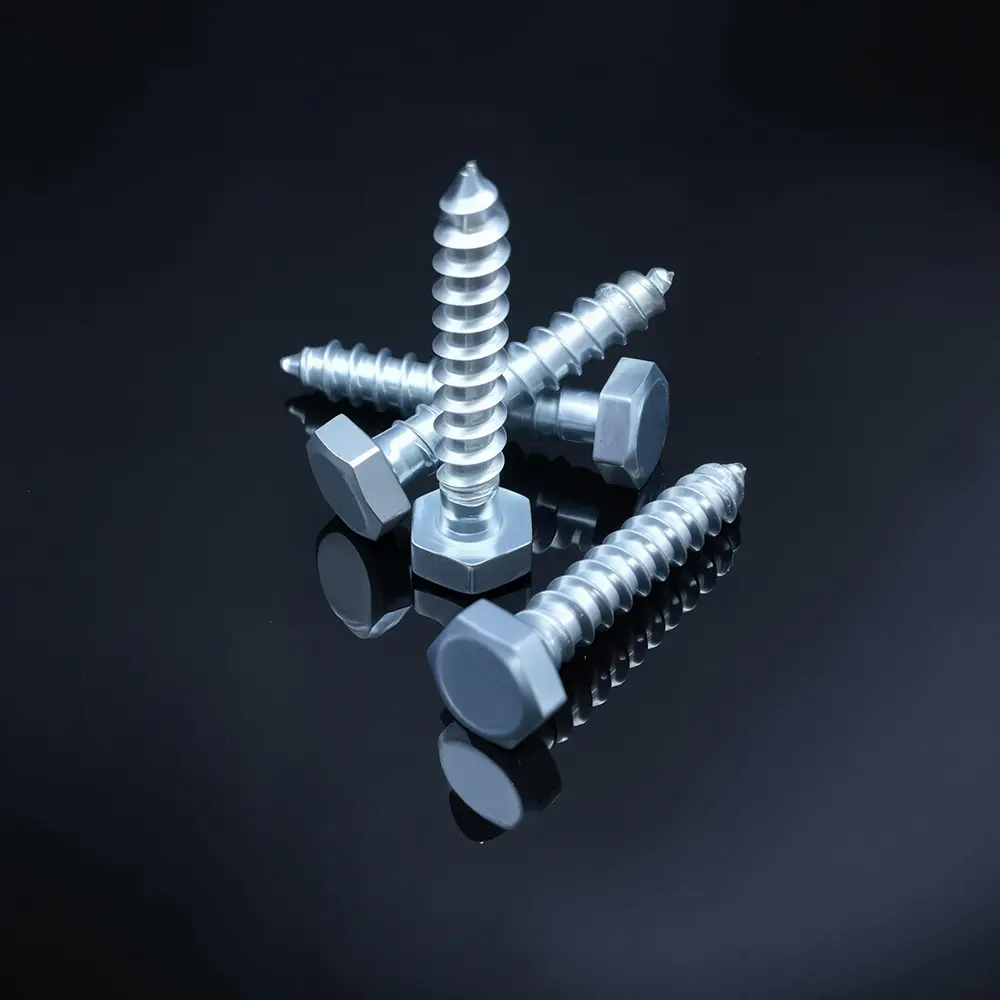
Træ har en blødere og mere fibrøs struktur, der kræver skruer med dybere gevind og stærkere holdeevne inde i materialet. Metalplader kræver dog skarpere gevind og stærkere skruelegemer for at trænge ind og sikkert låse fast i stive overflader.
| Vare | Metalpladeskruer | Selvskærende skruer til træ |
|---|---|---|
| Målmateriale | Metalplader og hårde overflader | Træ og træbaserede materialer |
| Tråd design | Fine og skarpe tråde | Dybe og brede tråde |
| Penetrationsmetode | Skærer eller danner metaltråde | Griber træfibre |
| Hovedkrav | Styrke og vibrationsmodstand | Udtræksmodstand og stabilt hold |
Brug af den forkerte skruetype kan reducere fastgørelsens pålidelighed. Valg af skruer i henhold til materialeegenskaber er afgørende for at opnå korrekt mekanisk ydeevne.
Materialeevalg og fremstillingsovervejelser
Ydeevnen af pladeskruer afhænger i høj grad af råmaterialer og fremstillingsprocesser. Forskellige anvendelsesmiljøer kræver forskellige niveauer af styrke, korrosionsbestandighed og holdbarhed.
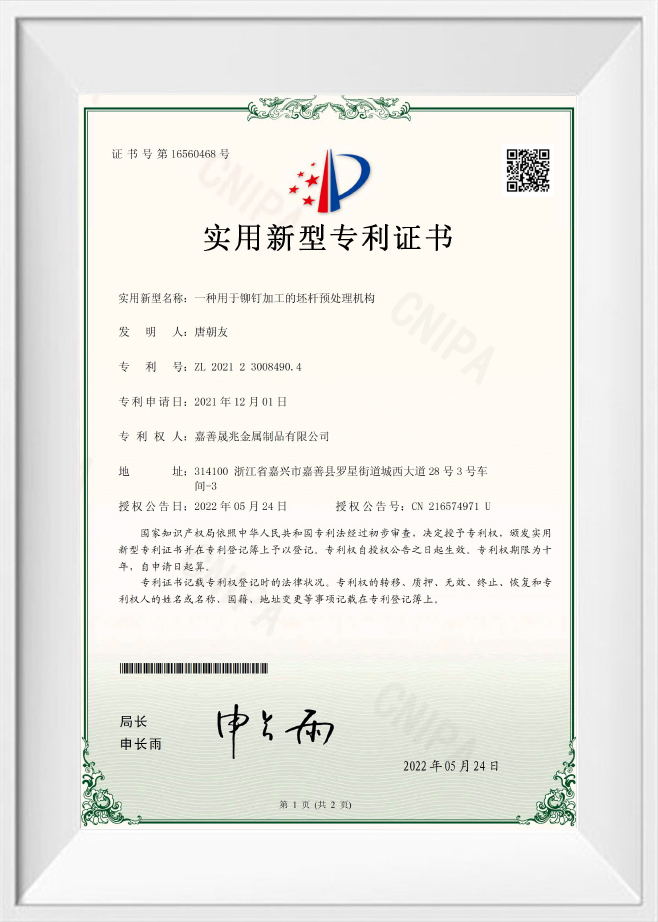
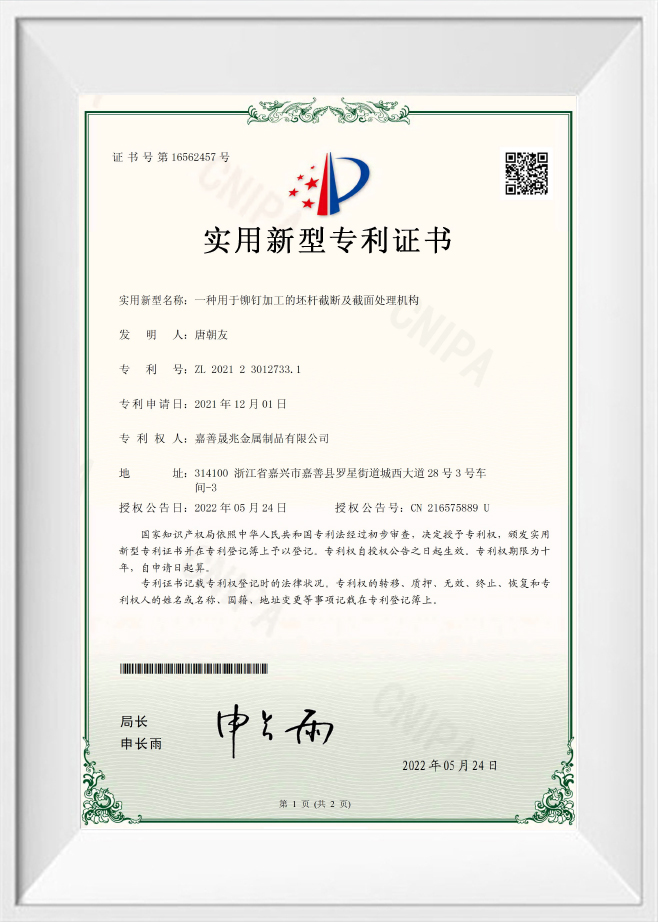
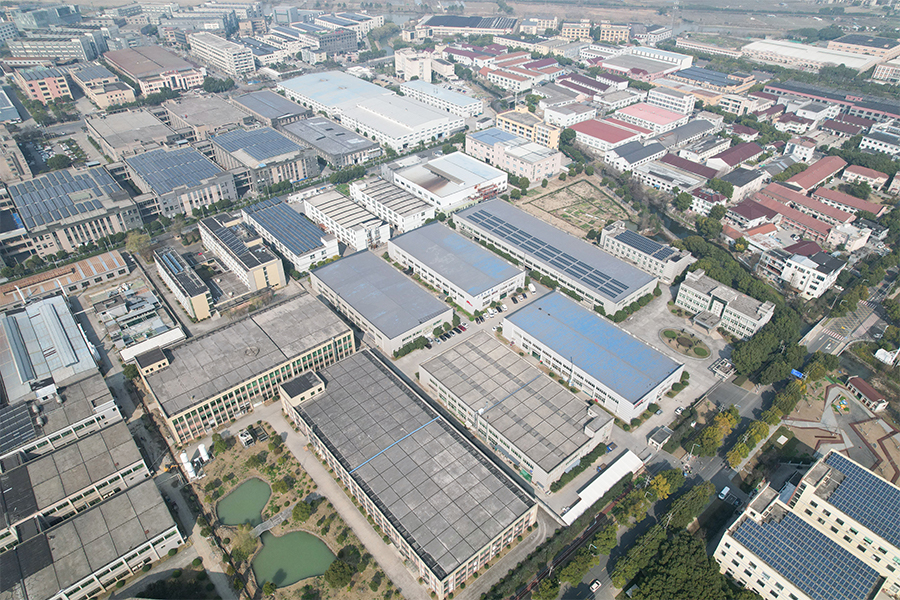
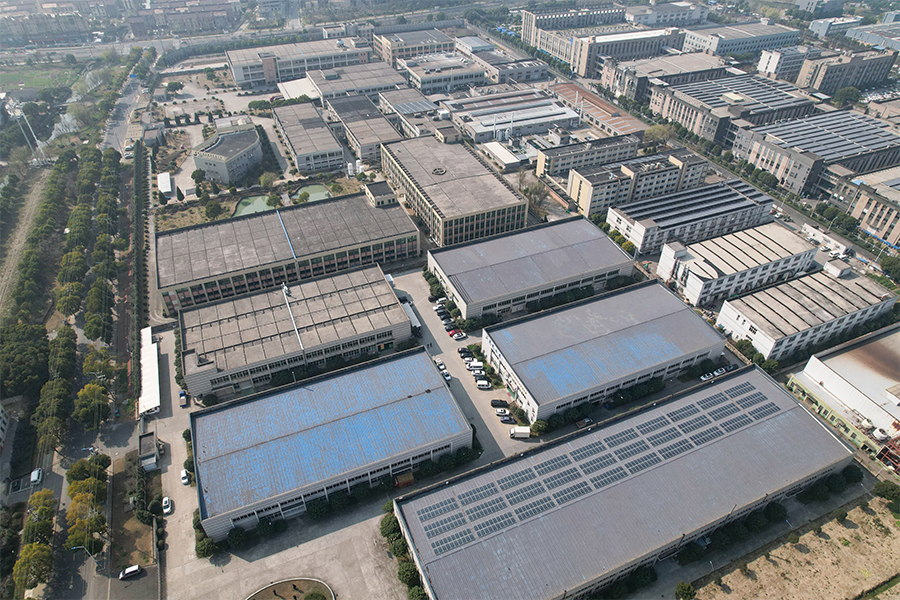
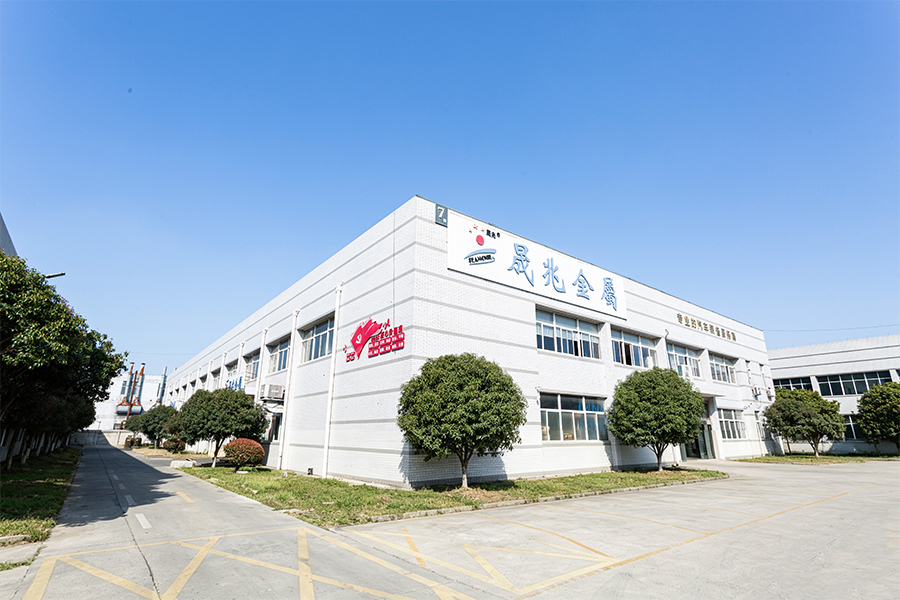
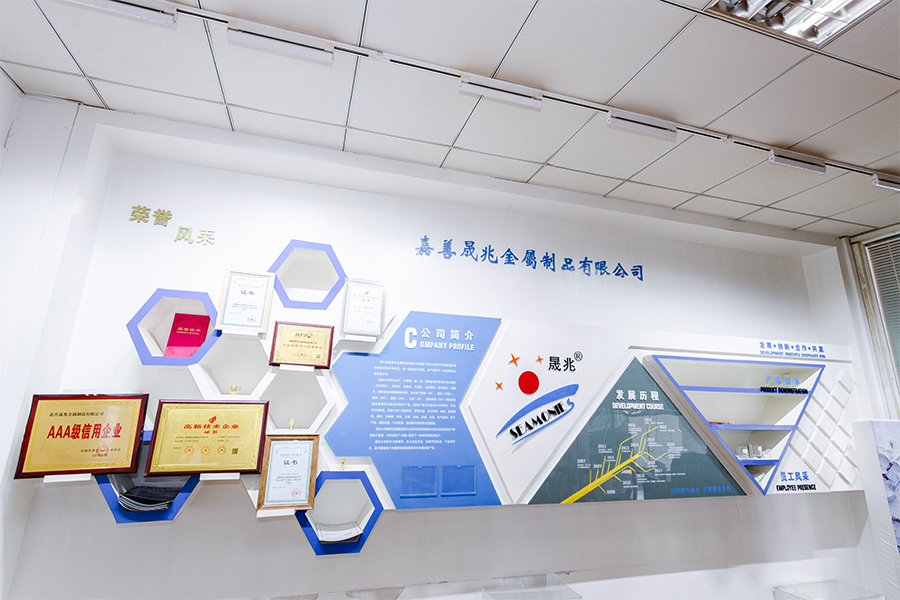
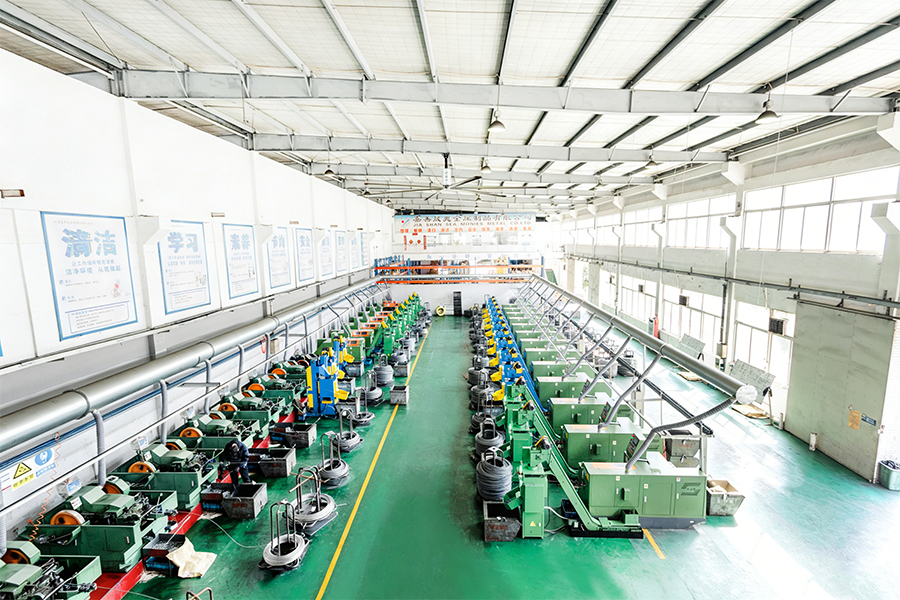
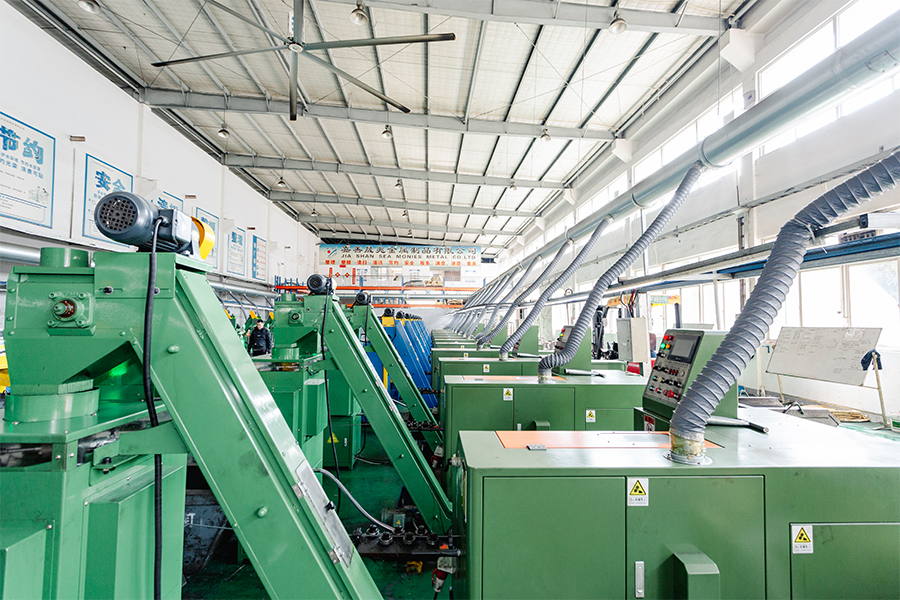
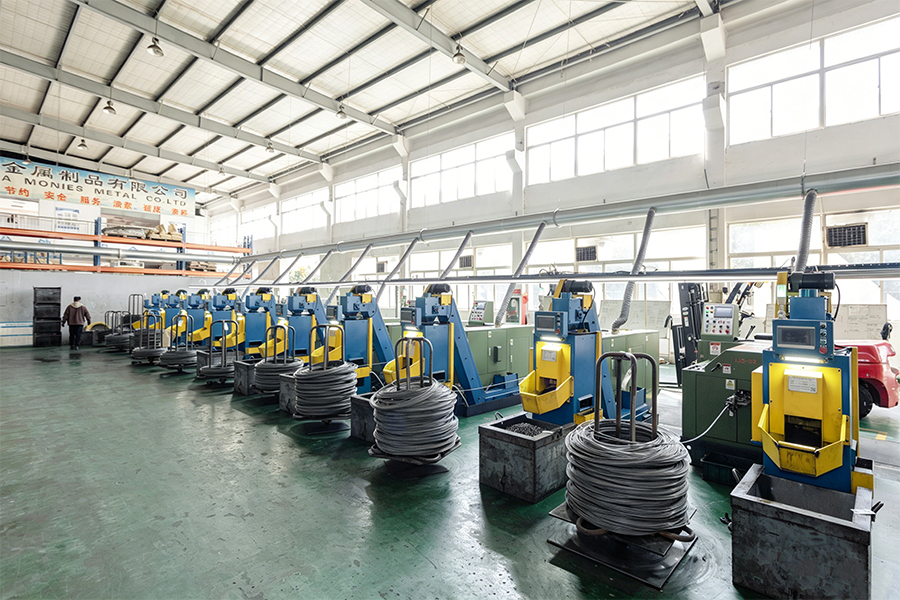
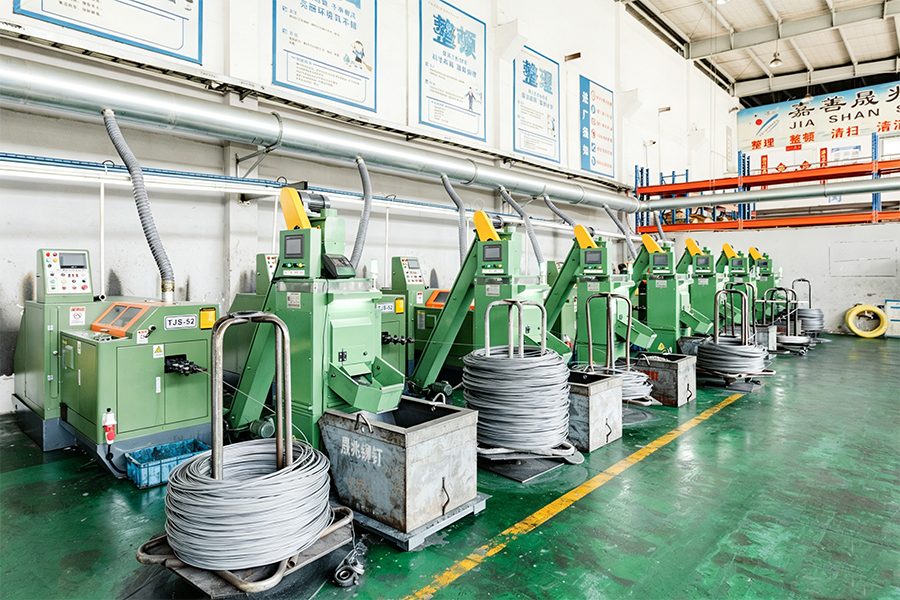
Zhejiang Chance & Union Import and Export Co., Ltd. er en familieejet virksomhed under SEA Monies Metal Co., Ltd., der arver 20 års familieerfaring og kvalitetsarv inden for metalfremstilling. Med Shengzhao Metals produktionskapacitet og fordele i forsyningskæden er virksomheden specialiseret i forskning og udvikling, produktion og globalt salg af metalprodukter af høj kvalitet.
De almindelige materialer, der anvendes til fastgørelse af produkter omfatter:
| Material | Karakteristika | Egnede applikationer |
|---|---|---|
| Rustfrit stål | Korrosionsbestandighed og holdbarhed | Udendørs udstyr, fugtige omgivelser |
| Legeret stål | Høj styrke og slidstyrke | Maskiner og kraftig fastgørelse |
| Aluminiumslegering | Let og korrosionsbestandig | Lette strukturer |
| Kobber | God ledningsevne og korrosionsbestandighed | El-relaterede applikationer |
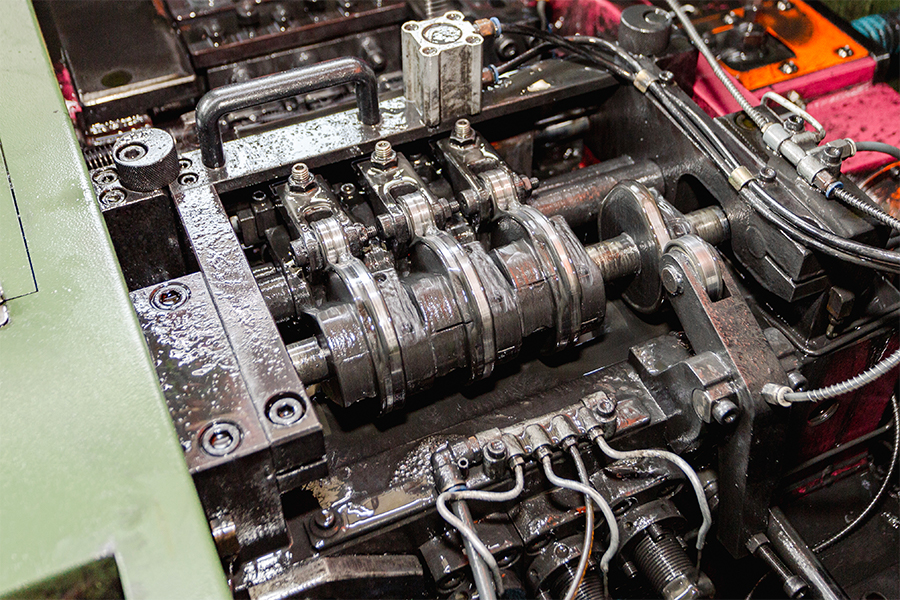
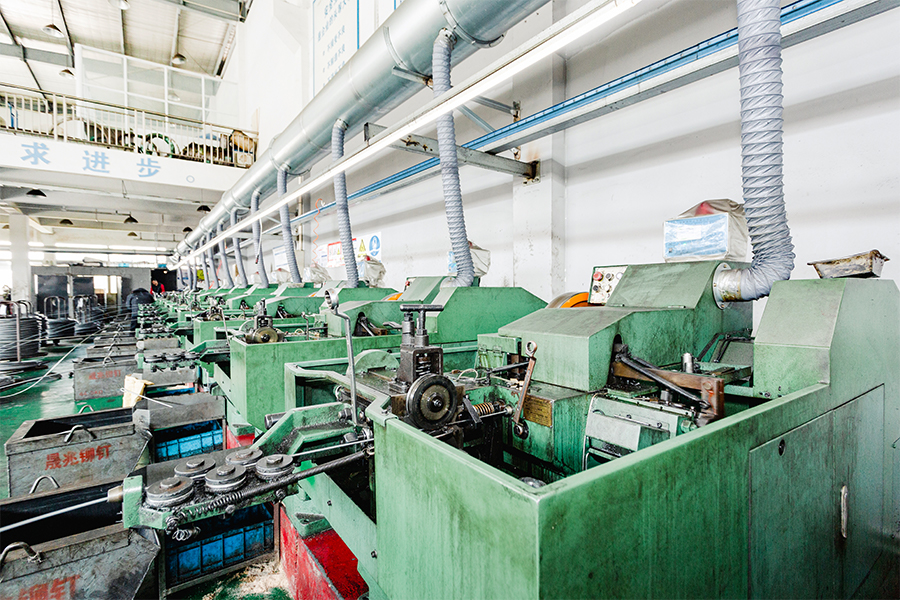
Gennem processer som kold smedning, varmsmedning og CNC-bearbejdning kan fastgørelseskomponenter opnå ensartede dimensioner og stabile mekaniske egenskaber.
Industrielle anvendelser af metalpladeskruer
På grund af deres pålidelige ydeevne er metalpladeskruer meget brugt på tværs af flere industrier. Deres ansøgninger omfatter:
Bilfremstilling
Selvskærende skruer til biler giver sikker fastgørelse af køretøjskomponenter, hvor vibrationsmodstand og holdbarhed er påkrævet.
Byggeri og metalfremstilling
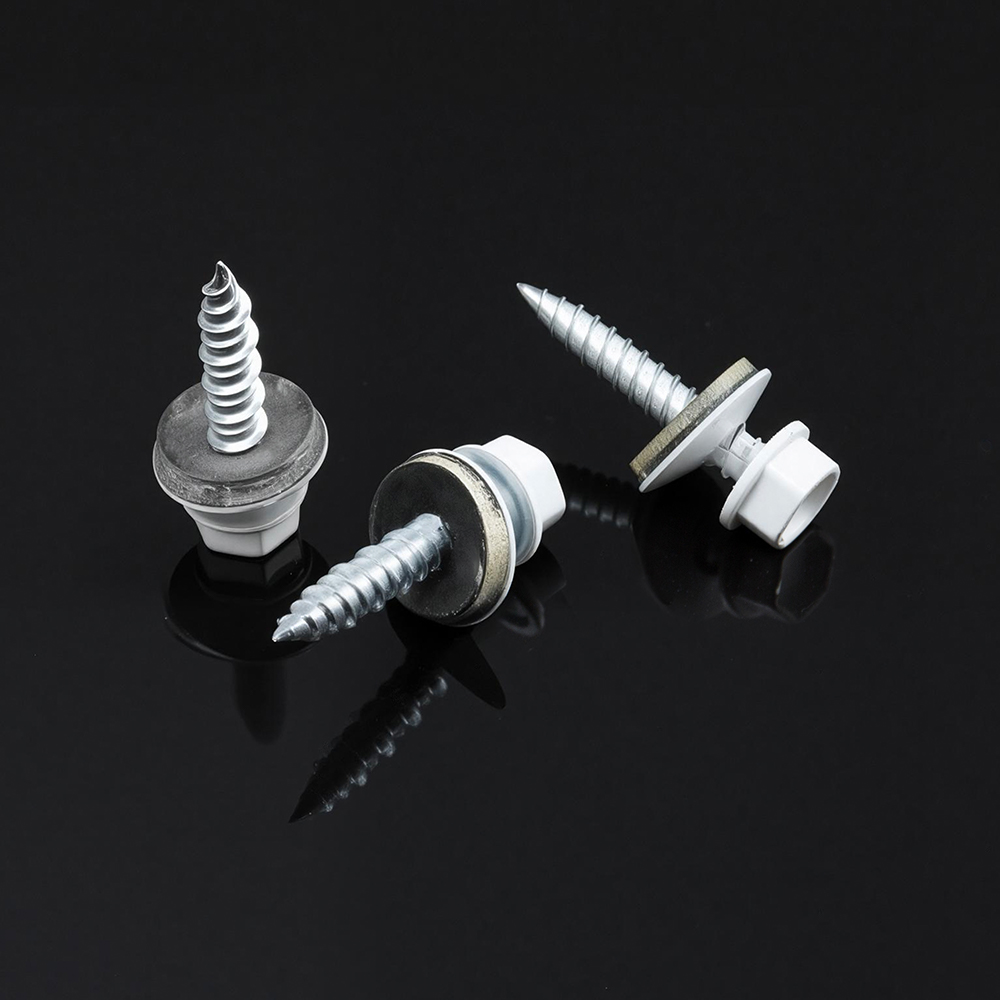
Metalpladeskruer bruges almindeligvis til at forbinde metalpaneler, tagmaterialer, ventilationssystemer og strukturelle komponenter.
Elektrisk udstyr
Deres kompakte design og pålidelige fastgørelsesevne gør dem velegnede til elektriske kabinetter, styreskabe og udstyrssamlinger.
Maskinproduktion
Industrielle maskiner kræver ofte fastgørelsesløsninger, der kan modstå gentagen drift og mekanisk belastning.
Zhejiang Chance & Union Import and Export Co., Ltd. fokuserer på at levere tilpassede fastgørelsesløsninger, herunder skruer, bolte, møtrikker, skiver, stifter, nitter og ikke-standard metaldele. Med professionelle produktionsevner understøtter virksomheden kunder med løsninger fra produktudvikling til masseproduktion.
Hvordan vælger man de rigtige pladeskruer?
At vælge den korrekte metalskrue kræver overvejelse af flere faktorer:
-
Materialekompatibilitet
Skruematerialet skal passe til arbejdsmiljøet og forhindre korrosion eller for tidlig svigt. -
Tråd design
Forskellige materialer kræver forskellige trådstrukturer for at opnå maksimal holdestyrke. -
Belastningskrav
Anvendelser, der involverer vibrationer eller mekanisk belastning, kræver stærkere fastgørelsesløsninger. -
Installationsbetingelser
Hovedstil, drevtype og skruelængde bør matche monteringskravene.
Zhejiang Chance & Union er forpligtet til at forbinde "Fremstillet i Kina" med internationale markeder ved at levere one-stop fastgørelsesløsninger gennem professionel teknologi, fremstillingserfaring og kvalitetsstyring.
FAQ
1. Hvad bruges pladeskruer hovedsageligt til?
Metalpladeskruer bruges hovedsageligt til fastgørelse af tynde metalplader, plastkomponenter, elektriske kabinetter, autodele og industrielle samlinger, hvor direkte gevinddannelse er påkrævet.
2. Er pladeskruer selvskærende skruer?
Ja. De fleste pladeskruer er designet med selvskærende funktioner, så de kan skabe gevind under installationen uden at kræve et forgevind hul.
3. Kan metalpladeskruer bruges til træapplikationer?
Nogle pladeskruer kan fungere i træ, men selvskærende skruer til træ er specielt designet med dybere gevind for at give bedre holdestyrke i træmaterialer.
4. Hvorfor bruges selvskærende skruer til biler almindeligvis i køretøjer?
Selvskærende skruer til biler er designet til at modstå vibrationer, mekanisk belastning og gentagne bevægelser, hvilket gør dem velegnede til montering af køretøjskomponenter.
5. Hvordan skal pladeskruer vælges?
Udvælgelsen bør tage hensyn til materialet, der fastgøres, miljøforhold, påkrævet styrke, korrosionsbestandighed og installationsmetode for at sikre pålidelig ydeevne.





